
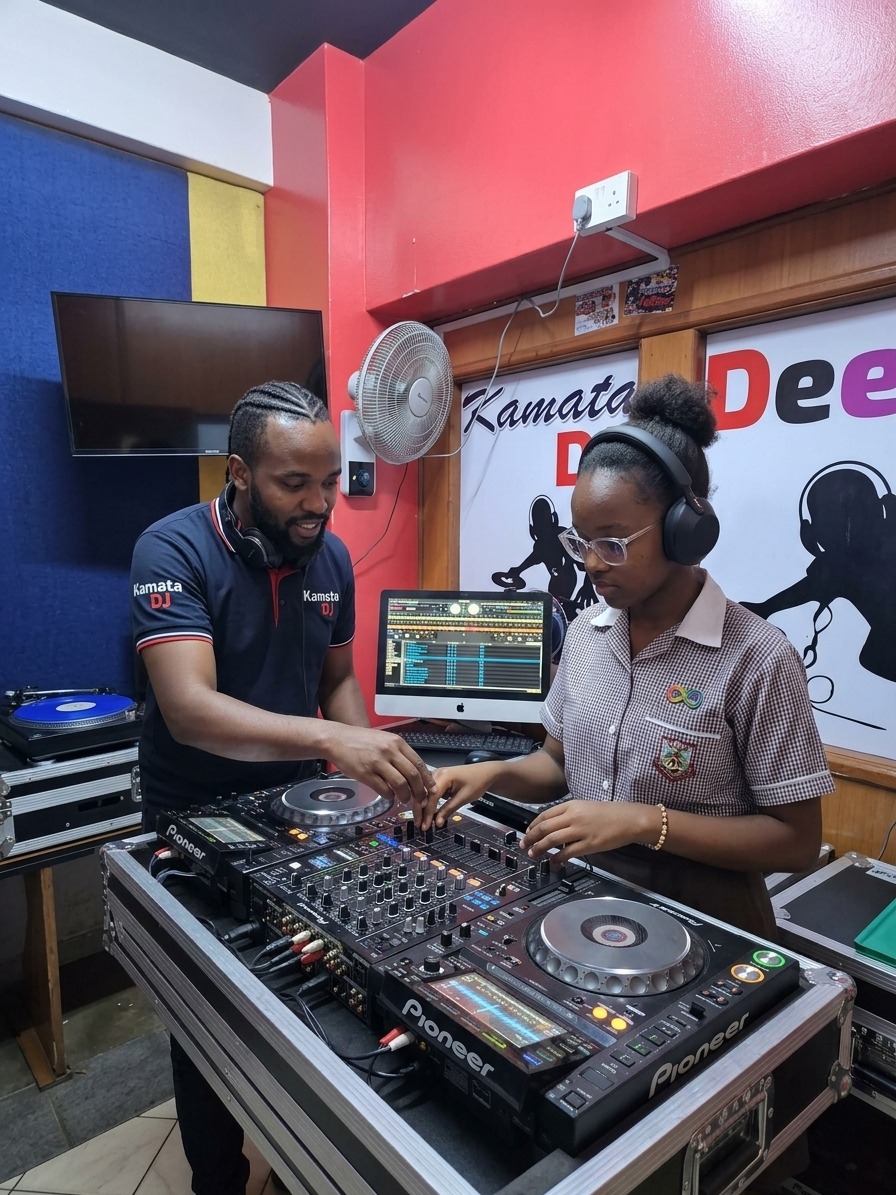
Music and Creative Arts Training for Students with Autism in Nairobi
Music and the creative arts provide a powerful medium for expression, communication, and personal growth, especially for individuals on the autism spectrum. At Kamata School, The Kamata Inclusive Creative-Arts Program (KICAP) is dedicated to offering specialized lessons designed to harness this potential. Moreover, focusing on individualized instruction, KICAP enhances cognitive, emotional, and social development for autistic learners through music and media arts.
Therapeutic and Developmental Power for Autistic Students
For many individuals with autism, traditional learning environments do not always capture their unique strengths. On the other hand, Creative arts bridge this gap by offering alternative avenues for communication and self-discovery. Moreover, music and media training stimulate neurological pathways associated with memory, emotion, and motor skills. Furthermore, through KICAP, students experience structural yet flexible learning frameworks that foster:
- Enhanced Emotional Regulation: Sound and rhythm provide healthy outlets for processing feelings, reducing anxiety, and building calmness.
- Improved Social Development: Group classes and one-on-one mentorship encourage meaningful interactions, boosting self-esteem and peer connection.
- Cognitive Growth: Learning timing, notes, and visual framing sharpens focus, memory retention, and hand-eye coordination.
Exemplary Gifting and Tailored Training Disciplines
KICAP instructors continually witness extraordinary talents among autistic students. Many learners exhibit phenomenal aptitude, particularly in fields requiring deep auditory focus or pattern recognition. Remarkable gifts frequently shine through in specialized areas such as:
- DJ Training: Mastery of rhythm, beat-matching, and seamless transitions.
- Vocals and Singing: Exceptional pitch awareness and emotive vocal delivery.
- Piano Class: Incredible dexterity, spatial awareness, and musical memory.
As a result, Kamata School offers a comprehensive suite of professional disciplines for diverse interests and innate talents. Additionally, expert instructors adapt their teaching methodologies to match each student’s unique sensory and learning profile across multiple classes.
- Musical Instruments: Piano, Guitar, Drums, Saxophone, and Vocals/Singing.
- Audio & Performance Arts: DJ training and Music Production.
- Visual Media: Photography and Videography.
Autism Experienced Instructors and a Supportive Environment
Success in special needs creative education relies heavily on the quality of mentorship. Trainers at Kamata School are deeply experienced in handling autistic students, offering patience, empathy, and specialized pedagogical strategies. Trainers customize lessons to respect sensory boundaries and encourage students to push boundaries and gain confidence.
By marrying professional creative instruction with inclusive educational practices, Kamata School ensures that every student is given the platform to shine, learn, and build a sustainable creative identity.
Partnerships
We recognize that empowerment is a collective effort. Kamata School’s success in this mission is fueled by the support of partners who share our vision of an inclusive society. We are honored to work alongside:
- International NGOs: Including I.R.C., S.O.S., D.R.C., L.O.T.W., ORAM and other institutions in the NGO space.
- Local Institutions: Collaborative efforts with the Local Government, Constituency Development Fund (CDF), and various governing organizations across Kenya.
- Religious Institutions: Several religious organizations such as The Catholic Church, Baptist Church, and many evangelical churches have supported this initiative and sponsored their members.
- Individual Sponsors: Private citizens committed to seeing marginalized youth take their place in the modern economy.
Frequently Asked Questions: Autism and Creative Arts Training
Can children or young adults with autism learn instruments like the piano, guitar, or DJ decks without prior musical experience?
Yes, absolutely. No prior musical background or formal training is required to start. Instructors at programs like KICAP evaluate each student’s unique sensory profile and natural inclinations, starting from scratch and building foundational coordination, rhythm, and technical skills at a comfortable pace.
How do music and creative arts lessons benefit individuals on the autism spectrum?
Creative arts training offers profound developmental, emotional, and cognitive advantages, including:
- Improved Emotional Regulation: Rhythms and structured creative outlets help reduce anxiety, manage sensory overload, and soothe frustration.
- Enhanced Communication: Music and visual media serve as powerful non-verbal alternative channels for self-expression.
- Better Motor Skills and Focus: Playing instruments like the piano, drums, or handling camera gear sharpens hand-eye coordination, dexterity, and attention span.
Are the trainers specially equipped to handle autistic students?
Specialized programs feature instructors who are highly experienced in working with neuro-divergent learners. They utilize patient, adaptive teaching methodologies that respect sensory boundaries, accommodate individual learning speeds, and nurture each student’s specific strengths.
What specific classes are typically available for autistic students?
Curriculums are diverse to match a wide array of creative interests. Additionally, popular options include traditional instruments (Piano, Guitar, Vocals/Singing, Saxophone, Drums) and modern arts.
What should parents look for when choosing a creative arts program for an autistic child?
Look for inclusive programs that offer individualized lesson plans rather than a rigid, one-size-fits-all approach. Additionally, key indicators of a great program include instructors with special-needs training, a safe environment, and milestone celebrations.
Furthermore, what specific creative discipline or instrument is your child or student most drawn to exploring?
Contact Kamata School today to learn more about admissions for the Kamata Inclusive Creative-Arts Program (KICAP).