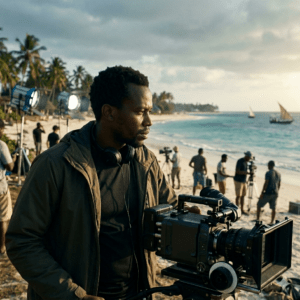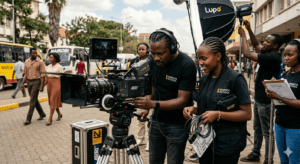

The demand for visual content has never been higher. Businesses, influencers, organizations, and individuals are constantly looking for skilled professionals who can create compelling photos and videos. This growing demand has made Photography and Videography Courses in Kenya increasingly popular among young creatives looking to build rewarding careers.
As the demand for high-quality visual content continues to grow, so does the need for skilled photographers and videographers who can transform ideas into compelling images and videos. But what does it really take to succeed in this field? Is expensive equipment the secret? How long does it take to learn? What challenges and opportunities can aspiring creatives expect?
To answer these questions, we spoke with Jim, one of the Photography and Videography instructors at Kamata Music School. With years of experience behind the camera and in the editing suite, Jim shared valuable insights into his professional journey, the realities of the industry, and the skills that separate successful creatives from the rest.
Whether you dream of becoming a wedding photographer, commercial videographer, content creator, filmmaker, or social media strategist, enrolling in professional Photography and Videography Courses in Kenya can provide the foundation you need to succeed. At Kamata Music School, students receive practical training that prepares them for real-world opportunities in the rapidly growing creative industry.
The Desire to Create: Where the Journey Begins
Many people assume that creative careers begin with a natural talent for drawing, painting, or design. However, creativity can take many forms.
For Jim, photography and videography became an avenue for creative expression because they offered a way to tell stories and bring ideas to life visually. Rather than expressing creativity through traditional art forms, he discovered that the camera could become his creative tool.
Photography and videography allow creatives to capture emotions, preserve memories, and communicate messages that words alone cannot fully express. There is something incredibly rewarding about seeing a client’s excitement when a concept, event, or vision is transformed into a finished product.
This passion for storytelling remains one of the driving forces behind many successful photographers and videographers. Every image tells a story, and every video has the potential to create an emotional connection with its audience.

Is Photography and Videography Difficult to Learn?
Many aspiring creatives wonder whether enrolling in Photography and Videography Courses in Kenya requires prior experience. The good news is that anyone with passion and dedication can learn. Modern cameras have become increasingly user-friendly, allowing beginners to start capturing quality content even with limited experience.
A quality Photography Course in Kenya teaches students the technical skills required to operate cameras, understand composition, and work with lighting effectively. Likewise, a professional Videography Course in Kenya introduces learners to filming techniques, storytelling principles, and editing workflows.
Students can learn essential concepts such as:
- Camera operation
- Composition techniques
- Framing
- Lighting fundamentals
- Different shot types
- The rule of thirds
- Exposure settings
- Basic editing skills
However, technical knowledge is only part of the equation. What truly distinguishes professionals from amateurs is creativity. This is why the best Photography and Videography Courses in Kenya focus not only on camera operation but also on developing creative thinking and visual storytelling skills. Two people can use the same camera, stand in the same location, and photograph the same subject, yet produce completely different results. The difference often lies in how they see the scene, interpret the story, and communicate emotion through their work. Creativity is what transforms a technically correct image into a memorable one.
At Kamata Music School, students not only learn how cameras work but also develop the creative thinking needed to produce meaningful and impactful visual content.
Understanding the Camera Beyond Auto Mode
Modern cameras are equipped with advanced automatic settings that can handle many technical decisions on behalf of the user. These features make photography more accessible than ever before. While automatic modes are useful, serious photographers and videographers eventually learn to take control of their cameras through manual settings. Manual shooting allows creatives to adjust:
- Shutter speed
- Aperture
- ISO
- Exposure
- White balance
- Focus settings
Mastering these controls gives photographers and videographers the flexibility to create specific moods and visual effects rather than relying on the camera’s automated decisions. For example, understanding shutter speed can help capture fast-moving sports action or create cinematic motion blur. Knowing how to control aperture allows photographers to create beautiful background blur that helps subjects stand out.
These technical skills become increasingly important as students advance and begin working with diverse environments, lighting conditions, and client expectations.
Why Practice Matters More Than Talent
One lesson that repeatedly emerges among successful creatives is the importance of consistent practice.
Many beginners hesitate to pursue opportunities because they feel they are not yet good enough. Unfortunately, waiting until you feel “ready” can slow down your growth significantly.
Photography and videography are practical skills that improve through repetition. Every shoot teaches valuable lessons about lighting, composition, communication, problem-solving, and workflow management.
The more situations you encounter, the more confidence you develop.
This is why aspiring photographers should actively seek opportunities to practice, whether through:
- Family events
- Community gatherings
- Church functions
- School activities
- Small business projects
- Personal creative projects
Every project contributes to your growth.
At Kamata Music School, students gain hands-on experience that helps bridge the gap between classroom learning and real-world application. Practical exposure allows learners to build confidence while refining their skills in a supportive environment.
What a Typical Shooting Day Looks Like
Many people see the finished photographs or polished videos and assume the process is glamorous from start to finish. The reality is often much more demanding.
Professional photographers and videographers frequently arrive at venues long before events begin. Early arrival allows them to:
- Assess the location
- Evaluate lighting conditions
- Capture venue details
- Photograph decorations and setup
- Plan camera positions
As events unfold, photographers and videographers remain constantly alert, searching for important moments that might only last a few seconds.
Whether covering weddings, concerts, conferences, birthdays, or corporate events, professionals often spend many hours on their feet carrying equipment and moving between locations.
It is not unusual for an event photographer to return home with well over a thousand images from a single assignment.
Capturing content is only the first phase of the process. The real work continues after the event ends.
The Hidden Work Behind Every Great Photo
One of the biggest misconceptions about photography and videography is that the work ends once the camera is switched off.
In reality, post-production is where much of the magic happens.
After a shoot, photographers and videographers must:
- Sort through hundreds or thousands of files
- Select the best images
- Adjust colors
- Correct exposure
- Remove distractions
- Edit videos
- Add transitions and effects
- Export final deliverables
For many professionals, editing is one of the most rewarding stages of the creative process because it transforms raw footage into a polished final product.
This stage is where vision becomes reality.
The ability to take an idea from concept to completion is one of the most satisfying aspects of a creative career.

Equipment: Important but Not Everything
Many beginners assume that success depends entirely on owning expensive equipment.
While professional gear can certainly enhance production quality, equipment alone does not guarantee great results. Experienced photographers often emphasize that lighting has a greater impact on image quality than camera brand. A skilled photographer with proper lighting can often outperform an inexperienced photographer using much more expensive equipment.
This is encouraging for beginners because it means they can start learning without immediately investing in top-tier gear.
As students gain experience, they gradually learn:
- Which cameras suit specific projects
- How to choose lenses
- When to use lighting equipment
- How to work with different accessories
- How to maximize available resources
Professional creatives also understand how to adapt to varying client requirements. Different projects may require different equipment setups depending on budget, quality expectations, and production goals.
Finding Your Niche in the Industry
One advantage of pursuing photography and videography training in Kenya is the opportunity to explore different creative specialties before choosing a niche.
Students may discover a passion for:
- Product photography
- Food photography
- Wedding photography
- Fashion photography
- Sports photography
- Wildlife photography
- Event coverage
- Commercial videography
- Documentary filmmaking
- Music videos
- Corporate content
Choosing a niche allows creatives to build expertise in a specific area and establish themselves as specialists. Specialization can also make marketing easier because potential clients know exactly what services you offer. For freelancers, developing a niche can lead to stronger branding, better referrals, and greater earning potential.
Students at Kamata Music School are encouraged to explore different styles and genres before identifying the areas that best align with their interests and strengths.
Building a Portfolio That Opens Doors
A strong portfolio is often more valuable than a long list of qualifications.
Clients want evidence that you can deliver results.
A portfolio demonstrates:
- Technical ability
- Creativity
- Consistency
- Professionalism
- Style
The best way to build a portfolio is through action. Every project completed contributes to your body of work. Even unpaid or personal projects can provide valuable portfolio material when approached professionally. Over time, a well-curated portfolio becomes a powerful marketing tool that helps attract opportunities and establish credibility.
Working with Clients Professionally
Technical skill alone is not enough to sustain a successful photography or videography business. Strong client relationships are equally important.
One of the most valuable qualities a creative professional can develop is honesty. Clients appreciate realistic expectations more than exaggerated promises.
Successful photographers take time to understand:
- The client’s vision
- Project goals
- Budget limitations
- Delivery timelines
- Desired outcomes
Clear communication helps prevent misunderstandings and builds trust.
Professional creatives also understand the importance of valuing their work appropriately. Pricing should reflect the time, expertise, equipment, editing, and effort required to produce quality results.
Another important aspect of professionalism is collaboration. Many projects require multiple perspectives and specialized skills. Working alongside other creatives often leads to stronger outcomes and greater learning opportunities.
Contracts also play an essential role by clearly defining expectations and protecting both parties throughout the project.
Why Networking Is Essential
Talent can open doors, but relationships often determine how many opportunities come your way. In the photography and videography industry, referrals remain one of the most powerful sources of business. Satisfied clients frequently recommend professionals to friends, colleagues, and family members. This makes reputation incredibly important.
Reliability, professionalism, and timely delivery can significantly impact future opportunities.
Networking can happen through:
- Industry events
- Creative communities
- Social media platforms
- Collaborations
- Workshops
- Educational institutions
Students who begin building professional relationships early often gain access to opportunities that accelerate their careers. At Kamata Music School, learners become part of a growing creative community where networking and collaboration are encouraged.
The Impact of Artificial Intelligence on Photography and Videography
Like many industries, photography and videography have been significantly affected by artificial intelligence. AI-powered tools can now generate images, enhance photographs, remove unwanted objects, and automate many editing tasks. For some photographers, AI presents challenges because clients may choose AI-generated alternatives for certain projects.
However, AI also offers numerous advantages. Modern editing software now includes intelligent features that help professionals:
- Speed up editing workflows
- Improve image quality
- Remove distractions
- Enhance colors
- Automate repetitive tasks
Rather than replacing photographers and videographers entirely, AI is becoming another tool within the creative toolkit.
The professionals who succeed in the future will likely be those who learn how to combine creativity, technical expertise, and emerging technologies effectively.
Creating Visibility in the Digital Age
In today’s connected world, talent alone is not enough. People need to see your work. Social media platforms, personal websites, and online portfolios provide powerful opportunities for photographers and videographers to showcase their skills. Consistency is key.
Regularly sharing quality content helps:
- Build credibility
- Demonstrate expertise
- Attract potential clients
- Expand professional networks
- Create brand recognition
Many successful creatives have built thriving careers simply by consistently sharing their work online.
For students entering the industry, developing an online presence should be considered an essential part of career growth.
Why Professional Training Makes a Difference
Although there are countless tutorials available online, structured photography and videography courses in Kenya offers significant advantages. Professional instruction provides:
- Clear learning pathways
- Practical assignments
- Expert feedback
- Industry insights
- Networking opportunities
- Mentorship
- Hands-on experience
Learning under experienced professionals helps students avoid common mistakes and develop skills more efficiently.
At Kamata Music School, students benefit from practical, industry-focused training designed to prepare them for real-world opportunities. The school’s supportive learning environment allows learners to develop both technical competence and creative confidence.
Whether your goal is to become a freelance photographer, videographer, content creator, filmmaker, or creative entrepreneur, proper training can significantly accelerate your journey.
Final Thoughts
Photography and videography offer far more than the ability to capture images. They provide a platform for creativity, storytelling, entrepreneurship, and personal growth. Success in this field does not require perfection from the beginning. What matters most is a willingness to learn, practice consistently, embrace creativity, and seize opportunities whenever they arise.
The journey from beginner to professional is built one project at a time, one lesson at a time, and one creative breakthrough at a time. For those willing to invest in their skills and remain committed to continuous improvement, photography and videography can become both a fulfilling passion and a rewarding career.
Start Your Creative Journey at Kamata Music School
If you have ever dreamed of telling stories through images, creating cinematic videos, or building a career in the creative arts, now is the perfect time to start.
Kamata Music School offers practical, industry-focused photography and videography courses in Kenya designed for beginners and aspiring professionals alike. Through expert instruction, hands-on training, and real-world experience, students gain the skills needed to thrive in the modern creative industry.
Whether you are looking for a photography course in Kenya, a videography course in Kenya, or comprehensive photography and videography training in Kenya, Kamata Music School provides the guidance and support needed to help you achieve your goals.
Enroll today and turn your creativity into a profession. Your journey toward becoming a skilled photographer or videographer starts at Kamata Music School.